
Perimenopause: Mental Health, Sexuality, and the Return to the Self
Perimenopause can change sleep, mood, capacity, relationships, and sexual desire. A developmental perspective on finding the honest voice, restoring nervous-system safety, and reconnecting with the body. For women navigating perimenopause, anxiety, burnout, relationship change, or shifts in sexual desire, this developmental framework offers a path back to bodily trust and agency.

Mental Fitness: An Essential Capacity for CEOs
Mental fitness is an essential leadership capacity for CEOs in Palo Alto’s fast-moving business environment. It supports clear thinking, emotional regulation, better decision-making, and sustainable performance when the stakes are high. This article explores how leaders can move beyond chronic urgency, build greater resilience, and create healthier, more effective organizational cultures.



The Work of Being Met
Many people learn to create safety through competence: by leading, providing, anticipating, solving, and carrying what others need. But intimate partnership requires another kind of capacity—the ability to let ourselves be known in moments of fear, hurt, uncertainty, or longing, and to turn toward those same vulnerable places in someone else.
Through the lens of attachment, caregiving, and sexuality, this essay explores what helps partners build security: emotional accessibility, responsiveness, engagement, co-regulation, repair, and care that supports connection without taking away agency.

5 Survival Lessons When The Pressure Never Stops
In relentless, always-on environments, the problem isn’t just how to prioritize—it’s how to keep functioning well for years. This post outlines five lessons from therapy with founders, CEOs, and high-performing leaders on protecting energy, building recovery, and separating the role from the self so the work doesn’t hollow you out.

The Art of Therapy
Therapy is not just about insight. It is about helping people meet themselves more clearly, with more compassion, and with enough honesty to change the patterns shaping their lives, relationships, and leadership.
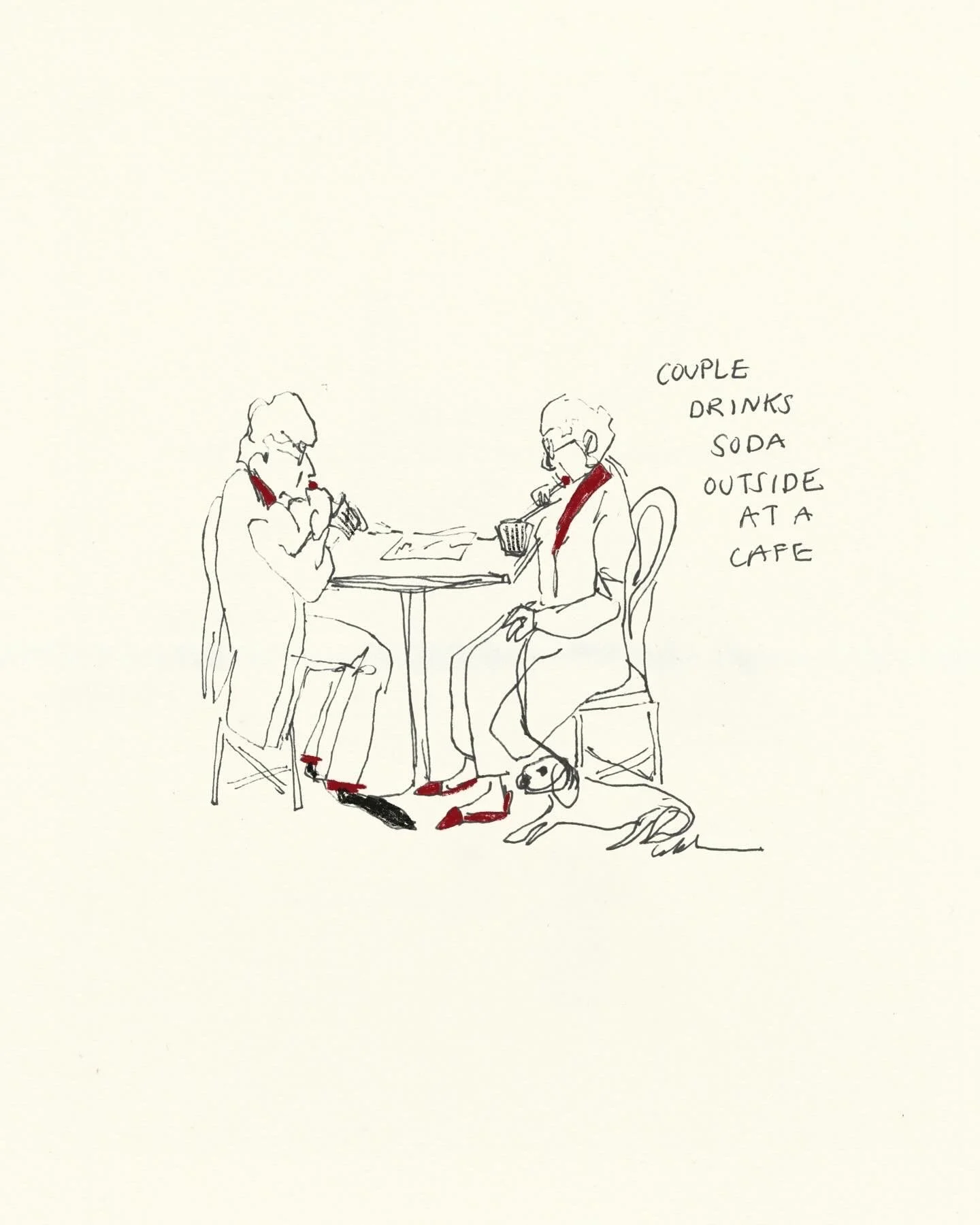
Why Couples Fight: The Hidden Role of Shame in Conflict
The thing you fight about is never the thing. Underneath is shame — and it doesn't live in either of you. It lives between you, and it can only heal there.